

- 21:58:00
- 0 Comments

- 13:43:00
- 0 Comments

Before you reach for an over-the-counter solution, try one of these natural remedies.
1. Steep some thyme to relieve a cough.
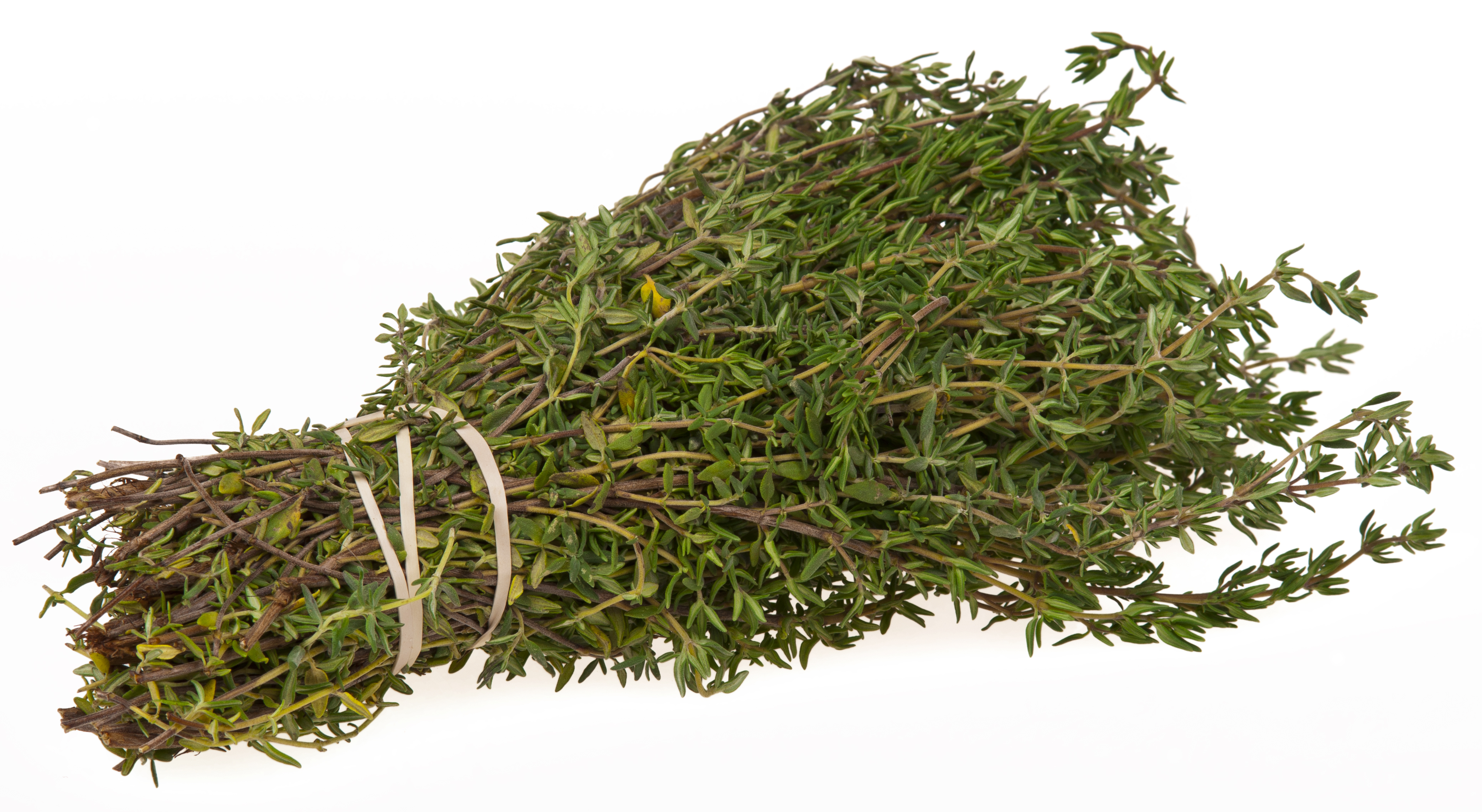 Thyme is an officially approved German treatment for coughs, upper respiratory infections, bronchitis, and whooping cough, with good reason: Those tiny leaves are packed with cough-relieving compounds. Thyme flavonoids relax tracheal and ileal muscles, which are involved in coughing, and also reduce inflammation. To make a tea, mix 2 teaspoons crushed leaves in 1 cup boiling water, cover, then steep for 10 minutes and strain.
2. Keep garlic handy.
 Garlic is packed with antioxidants and is perfect to protect you against a cough and cold. Apart from that garlic contains a compound known as allicin, which is known to have great anti-bacterial, anti-viral and anti-fungal properties.
Boil two to three cloves of garlic in a cup of water and add a teaspoon of oregano. Allow it to cool to room temperature, add some honey and drink it. This will help your breathing and alleviate other cough symptoms.
Eat a clove of crushed garlic mixed with a few drops of clove oil and some honey for sore throat relief. You can also use garlic in your cooking.
3. Turmeric.
The herb turmeric has a therapeutic effect on coughs, particularly a dry cough.
Heat half a cup of water in a boiling pot. Add one teaspoon turmeric powder, one teaspoon black pepper, and one tablespoon honey. You may also add cinnamon sticks. Boil this for about two to three minutes. Drink this daily until the condition improves.
 Alternatively, make an herbal tea by adding one teaspoon of turmeric powder and one teaspoon of carom seeds to a cup of water, and boil it until water reduces to one-half cup. Add some honey and drink this herbal solution two to three times a day.
Another way to use turmeric is to roast turmeric root and grind it into a smooth powder. Mix it with water and honey, and drink it twice a day.
4. Ginger is one of the most popular natural cures for a cough.

Cut fresh ginger into small slices and crush them slightly. Put them in a cup of water and bring to a boil. Drink this herbal solution three to four times a day for relief from sore throat, non-stop coughing and even congestion. You can also some lemon juice and honey to it.
Another option is to chew fresh raw ginger on and off throughout the day to reduce your cough.
5. Lemon.
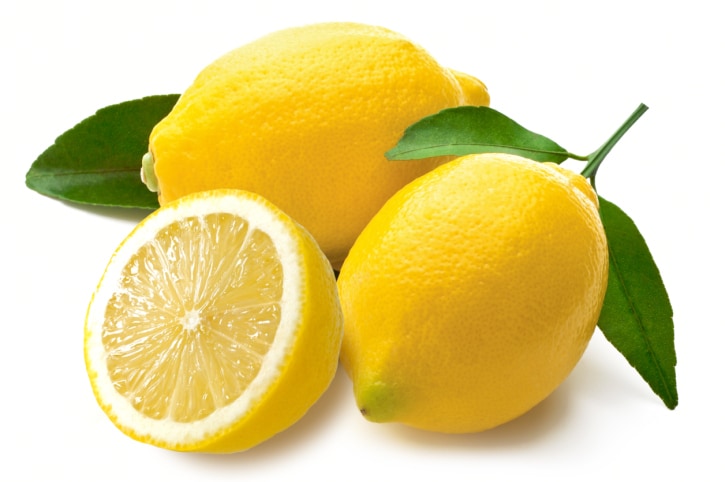
Lemons can be used in a variety of ways for curing coughs. Lemons have properties that reduce inflammation and also provide a dose of infection-fighting vitamin C.
A simple cough syrup can be made by combining two tablespoons of lemon juice and one tablespoon of honey and heating it until warm. Drink this healthy syrup several times a day.
Another way to use lemons is to blend lemon juice with a little honey and a pinch of cayenne pepper and then drink it.
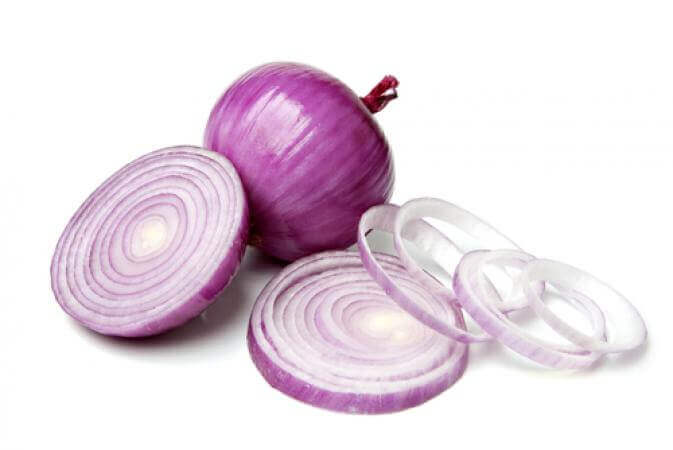
One of the simplest home remedies for a cough is to cut onions. Breathing in the strong vapors can help stop coughing.
 7. Hot Milk with Honey.
Hot milk with honey can relieve a dry cough and reduce chest pain you may be experiencing from continuous coughing. For best results, drink it before going to sleep. For added benefits from the analgesic properties of honey, swallow a teaspoon of plain honey on empty stomach. This will help clear the mucus and soothe your throat.

Garlic is packed with antioxidants and is perfect to protect you against a cough and cold. Apart from that garlic contains a compound known as allicin, which is known to have great anti-bacterial, anti-viral and anti-fungal properties. Boil two to three cloves of garlic in a cup of water and add a teaspoon of oregano. Allow it to cool to room temperature, add some honey and drink it. This will help your breathing and alleviate other cough symptoms.
Eat a clove of crushed garlic mixed with a few drops of clove oil and some honey for sore throat relief. You can also use garlic in your cooking.
3. Turmeric.
The herb turmeric has a therapeutic effect on coughs, particularly a dry cough.
Heat half a cup of water in a boiling pot. Add one teaspoon turmeric powder, one teaspoon black pepper, and one tablespoon honey. You may also add cinnamon sticks. Boil this for about two to three minutes. Drink this daily until the condition improves.
Another way to use turmeric is to roast turmeric root and grind it into a smooth powder. Mix it with water and honey, and drink it twice a day.
4. Ginger is one of the most popular natural cures for a cough.
Cut fresh ginger into small slices and crush them slightly. Put them in a cup of water and bring to a boil. Drink this herbal solution three to four times a day for relief from sore throat, non-stop coughing and even congestion. You can also some lemon juice and honey to it.
Another option is to chew fresh raw ginger on and off throughout the day to reduce your cough.
5. Lemon.
Lemons can be used in a variety of ways for curing coughs. Lemons have properties that reduce inflammation and also provide a dose of infection-fighting vitamin C.
A simple cough syrup can be made by combining two tablespoons of lemon juice and one tablespoon of honey and heating it until warm. Drink this healthy syrup several times a day.
Another way to use lemons is to blend lemon juice with a little honey and a pinch of cayenne pepper and then drink it.
6. Onion.
One of the simplest home remedies for a cough is to cut onions. Breathing in the strong vapors can help stop coughing.
You can also make a cough syrup from baked onion juice, comfrey tea and honey. Drink it daily to get relief from a dry cough.
Another option is to combine one-half teaspoon of onion juice with one teaspoon of pure honey. Swallow this solution at least twice a day to alleviate a cough and soothe your throat.
Hot milk with honey can relieve a dry cough and reduce chest pain you may be experiencing from continuous coughing. For best results, drink it before going to sleep. For added benefits from the analgesic properties of honey, swallow a teaspoon of plain honey on empty stomach. This will help clear the mucus and soothe your throat.
- 19:07:00
- 0 Comments

Whether it's related to an issue at work, a fight with a friend, or problems with family, everyone feels stressed sometimes. Too much or prolonged stress can lead to physical and emotional exhaustion. In fact, research has shown that around 12 million adults in the UK see their GP with mental health problems each year. Most of these suffer from anxiety and
depression and much of this is stress- related. So what can be done to reduce and prevent stress? As of this moment, here is our list which we hope you will find it helpful:
1. Breathe deep.
Taking a deep breath has been shown to lower cortisol levels, which can help reduce stress and anxiety . Studies suggest deep breathing can also cause a temporary drop in blood pressure.
Tip #1: Take a 5-minute break and focus on your breathing. Sit up straight, eyes closed, with a hand on your belly. Slowly inhale through your nose, feeling the breath start in your abdomen and work its way to the top of your head. Reverse the process as you exhale through your mouth.
2. Spark some scents.
Studies suggest aromatherapy can be a good way to relieve stress . Certain aromas (like lavender) have been consistently shown to reduce stress levels. In fact, the scent of lavender eases anxiety and insomnia.
Tip #2: Try one or two drops of lavender on either your pillow or your forehead before going to sleep and it beautifully help.
3. Listen to music.
Research points to multiple ways in which music can help relieve stress, from triggering biochemical stress reducers to assisting in treating stress associated with medical procedures.
4. Drink tea.
Camomile tea is the traditional favourite for calming the mind but even normal tea may help us fight stress. One study found that drinking black tea leads to lower post-stress cortisol levels and greater feelings of relaxation.
5. Laugh it off.
Laughter can reduce the physical effects of stress (like fatigue) on the body.
One of the best documented examples of the effect laughter can have on health involves the writer Norman Cousins, who was diagnosed with a debilitating spinal disease and given a one in 500 chance of survival. Rather than stay in hospital, he checked into a hotel where he took large doses of vitamin C and devised a treatment programme consisting of positive behaviours such as laughter, love and joy.
He watched as much comedy as he could and eventually, his disease went into remission and he was able to return to work.
He wrote: "I made the joyous discovery that 10 minutes of genuine belly laughter had an anaesthetic effect and would give me at least two hours of pain-free sleep."

6. Exercise!.
Exercise in almost any form can act as a stress reliever. Being active bumps up the production of your brain's feel-good neurotransmitters, called endorphins and distract you from daily worries as it improves your mood.
7. Get a massage.
Getting a good massage does more than alleviate physical pain. One of the primary goals of massage is relaxation, so the calm it brings to stress and anxiety sufferers can only be beneficial. It lowers blood pressure, reduces muscular tension, increase the production of endorphins, your body's natural "feel good" chemical and improves both mood and sleep quality. Studies also suggest massage may also help improve body image.
8. Take a nap.
Napping has been shown to reduce cortisol levels, which aids in stress relief.
9. Hug it out.
Hugging may actually reduce blood pressure and stress levels in adults.
10. Hang with your pet.
Or, as we’ve put it before, just get a dog. Dog owners have been shown to be less stressed out—most likely thanks to having a buddy to cuddle.
11. Take a walk.
A quiet, meditative stroll can do wonders for stress relief, especially when we step outdoors. Try not to rush, and take whatever pace feels most natural.
12. Sexual Intercourse.
Studies have shown sex can actually decrease the physical symptoms of stress, like lowering blood pressure, keeps your immune system strong against germs, viruses, and other intruders, lowers heart attack risk, improves sleep, makes prostate / cervical cancel less likely.
We hope this helped a bit to improve your busy lifestyle. We all need to relax and following at least one of this suggestions would improve your life significantly. Of course, do not forget the main one… massage.. ;-)
- 12:06:00
- 0 Comments
A lot of people simply sit in the position that they feel most comfortable in, which is often slouched down in the chair. Getting proper lumbar support and setting up your work station in a way that puts the minimum of strain on your back, neck and shoulder muscles is vital for anyone who spends more than an hour a day in a chair.
It is important to acknowledge that having a bad posture when we sit, can develop many problems that can make our body ageing faster affecting our organs and health and life in general.

- 04:08:00
- 2 Comments

We are proud to introduce our new therapist, Andreaa.
Andreaa studied Physiotherapy in a the prestigious University of Medicine and Pharmacy in Romania
Andreaa is also specialized in Swedish, Relaxing, Soft tissue, Celullite and Facial & Foot massage.
She already has her repeating clientele who describe Andreaa's massage as Heavenly.
Andreaa will always visit you with a great smile, positivity, professionalism, punctuality and the sweetness so typical of her.
Andreaa's not to be missed massage treatments are available everyday.
Andreaa's sweetness will be waiting for you in our incall location and also she can visit you wherever you are...your home, hotel & office.
To know more about Andreaa, click on this link:
http://www.therapeuticmassageinlondon.co.uk/andreaa/
To know more about Andreaa, click on this link:
http://www.therapeuticmassageinlondon.co.uk/andreaa/
Make you appointment now!
- 19:47:00
- 2 Comments

The science of Ayurveda teaches that to maintain our health it is important that the food we eat nourishes our body and also restores the balance our Doshas. Depending on our constitution, some foods can be beneficial and others should be avoided.
Imbalances can be caused by a variety of situations, eating the wrong foods, stress, poor sleeping habits, poor elimination, physical exhaustion and if not corrected, eventually lead to some form of disease. To help prevent this it is important to try to maintain our doshas in a proper balance.
The ability of our food to balance our doshas is determined by its taste; either salty, sour, sweet, bitter, astringent, or pungent and its other qualities, either heavy, oily, cold, hot, light or dry.
The Six Tastes
Bitter: The bitter taste is found in foods such as rhubarb, bitter melon, romaine lettuce, endive, chicory, spinach, chard, kale, turmeric root and tonic water.
Pungent: The pungent taste is found in foods such as radish, chilli peppers, black pepper, cayenne, ginger, and other hot-tasting spices.
Astringent: The astringent taste is found in foods such as parsley, cranberries, beans, lentils, pomegranate, cabbage, apples and pears.
Salty: The salty taste is found in any food to which salt has been added also kelp and seaweed.
Sour: The sour taste is found in foods such as green grapes, lemons, limes, pickles, vinegar, yogurt, miso, cheese, and plums.
Sweet: The sweet taste is found in foods such as sweet potatoes, table sugar, peaches, honey, rice, melons, pasta, milk, carrots, beets, cream, butter, wheat and bread.
The Tastes And The Doshas.
Bitter - The bitter taste decreases both kapha and pitta, but increases vata.
Pungent - The pungent taste decreases kapha, but increases pitta and vata .
Astringent - The astringent taste decreases kapha and pitta, but increases vata.
Salty - The salty taste increases kapha and pitta, but decreases vata.
Sour - The sour taste increases kapha and pitta, but decreases vata.
Sweet - The sweet taste increases kapha, but decreases pitta and vata.

The Six Major Food Qualities
Heavy: Heavy foods include bread, pasta, cheese, and yogurt.
Light: Light foods include rye, barley, corn, spinach, lettuce, pears and apples.
Oily: Oily foods include dairy products, meat, fatty foods, and cooking oils.
Dry: Dry foods include beans, potatoes, barley, and corn.
Hot: The hot quality describes hot beverages and warm, cooked foods.
Cold: The cold quality describes cold beverages and raw foods.
Food Qualities And The Doshas
Heavy - The heavy quality decreases vata and pitta, but increases kapha.
Light - The light quality decreases kapha, but increases vata and pitta.
Dry - The dry quality decreases kapha, but increases vata and pitta.
Hot - The hot quality decreases vata and kapha, but increases pitta.
Cold - The cold quality decreases pitta, but increases kapha and vata.
When you select foods appropriate for your constitution, you can maintain or restore your proper dosha balance. Keep these dietary and lifestyle suggestions in mind when trying to balance your particular dosha.
Whatever your dominant dosha, the principles of ayurvedic nutrition state that you should eat fresh unprocessed foods where ever possible.
To find out your dominant Dosha, go to this link.
It's a very simple test and you can fill it out as many times as you want :)
http://tridosha.com/self-test
I hope this helped you at least a little bit in your search for a healthier life.
Natali.
" May you be blessed, May all good things come to you, May
nothing whatsoever harm you, May your heart be light, May your travels
be safe, May your health be good, May your mind be sound, May your
friendships sustain you. May you be blessed in every way "
____________________________________________________

Do not forget to book a session with Natali for next occasions and you can chat more with her about this subject plus of course receiving an invigorating massage.
To know more about Natali's massage techniques and to read her full professional profile, we invite you to visit our website or click on this link to go straight to Natali's info: http://www.therapeuticmassageinlondon.co.uk/team_profiles/natali_perfil.html
______________________________
Keeping it social (follow us also) on:


- 14:57:00
- 0 Comments


